


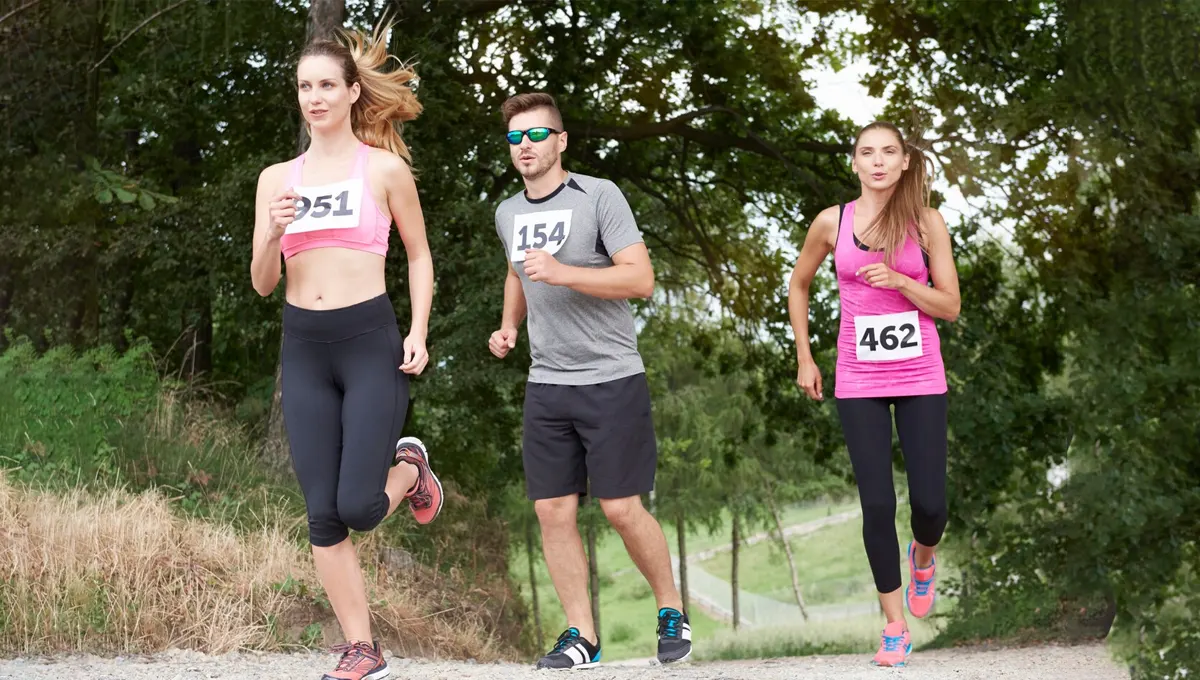
From Couch to 5K: The Running Gear Every Beginner Needs
Picture walking into a running store for the first time: carbon-plated shoes at €250, GPS watches at €800, compression socks in seventeen colours, and a foam roller the size of a small child.
Most beginners feel immediately overwhelmed; it genuinely feels like a small fortune is needed just to run a 5K.
It isn't. Ireland's running culture has exploded in recent years with parkruns packed every Saturday morning, coastal paths busy before 8am, and a couch to 5K community that's grown faster than almost any other fitness movement in the country.
The running gear that makes a real difference fits in a single bag and costs far less than specialist retailers suggest. Decathlon Ireland carries every category covered here at prices built for beginners, not sponsored athletes.
Quick Overview
- Shoes first the only piece of running gear where spending more genuinely matters for injury prevention.
- Moisture-wicking clothes second cotton kills comfort after mile one; technical fabric costs less than most people assume.
- No watch needed for the first month a free running app on your existing phone covers every couch to 5K essential.
- Add accessories only when a genuine problem appears chafing, darkness, hydration. Not before.
Running Gear The Only Four Things a Beginner in Ireland Actually Needs
Whether you are a couch to 5K runner buying your first pair of running shoes or a seasoned runner adding to your kit, the gear that best suits you depends on your running habits and lifestyle not on what performs at the top of its class in a lab test. Four items cover every beginner's needs for the first three months on Irish roads, paths, and parks.
- A proper pair of beginner running shoes: The non-negotiable. Every other piece of running gear is optional; shoes directly affect injury risk on every single run regardless of surface or distance.
- Moisture-wicking running top and shorts or tights: Technical fabric running clothes wick sweat away from the skin, reduce chafing, and regulate temperature in a way cotton simply cannot match after the first mile of effort.
- Moisture-wicking running socks: The most underestimated item in any running kit. A quality pair of technical socks prevents blisters more reliably than any insole or shoe upgrade at a fraction of the cost.
- A phone with a free running app: Couch to 5K, Nike Run Club, or Strava cover every training structure, distance tracking, and pace guidance needed for the first six months without spending a penny on a GPS watch.
Beginner Running Shoes The Right Pair for Irish Roads and Trails
Beginner running shoes are the highest-stakes purchase in any new runner's kit and the one most commonly bought wrong. You are more likely to want to run when your shoes fit well and feel comfortable if your toes are squished into the front of the shoe, you won't want to put in the miles. Follow this sequence before choosing any pair.
1. Identify your foot type first
Neutral arches suit neutral cushioned shoes. Flat feet or overpronation need stability shoes with medial post support. High arches need maximum cushioning with flexible midsoles. Heavier runners need a combination of cushioning, stability, and motion control stricter requirements than lighter runners who can prioritise feel over support.
2. Choose cushioning level based on surface and distance
Road running on tarmac needs more cushioning than trail or treadmill running. Ireland's mix of tarmac paths, coastal routes, and uneven park trails means a medium-cushion neutral road shoe covers the majority of beginner running surfaces without specialist investment.
3. Fit with your running socks in the afternoon
Most high-quality running shoes start around €90–€110. Spending a little more gets a higher quality pair, but very expensive running shoes are not necessarily better. Fit with a thumb's width of toe
4. Ignore the marketing test the feel
Carbon-plated racing shoes and proprietary foam names are irrelevant for a beginner running 3K three times a week. Choosing gear that best benefits your lifestyle and personal goals ensures you get the most out of every purchase; a comfortable, well-fitting €90 shoe outperforms a €250 performance shoe on every beginner training run.
Affordable Running Clothes That Actually Perform in Irish Weather
Ireland's weather demands more from running clothes than most countries. Rain, wind, and sun can hit the same route in one session. Technical fabric that wicks, protects, and breathes isn't a luxury here, it's the baseline. Decathlon's Kalenji range covers every category below at prices built for beginner budgets across Ireland.
|
Clothing Category |
Key Fabric Feature |
What to Avoid |
Budget Range |
|
Running top |
Moisture-wicking polyester or recycled nylon, flatlock seams |
100% cotton retains sweat, causes chafing, adds weight when wet |
€15–€40 |
|
Running shorts or tights |
4-way stretch, built-in liner, anti-chafe waistband |
Loose cotton shorts no compression, ride up, retain moisture |
€20–€55 |
|
Running socks |
Nylon-spandex blend, cushioned heel and toe, no seam at toe box |
Standard cotton sports socks cause blisters within 3 miles |
€8–€18 per pair |
|
Running jacket |
Packable wind and water-resistant shell, underarm vents |
Heavyweight waterproof jacket overheats within 10 minutes of running pace |
€35–€80 |
Note: the running jacket moves from optional to essential for Irish conditions rain arrives without warning on most routes and a packable shell weighs under 200g in a pocket until it's needed.
Couch to 5K Essentials What Running Gear Do You Need Each Week?
1. What do I need before my very first couch to 5K run in Ireland?
Beginner running shoes, moisture-wicking top and shorts, and technical socks. That's the complete list. If you don't have the gear, you won't start. Three items ordered this weekend are genuinely all a new runner needs for the first four weeks of any programme. Ireland's parkrun network means your first timed 5K is never more than a Saturday morning away once the kit is sorted.
2. When should I add a GPS watch to my running gear?
After at least four weeks of consistent running. A GPS running watch tracks distance, pace, and heart rate valuable training data once a routine is established, but an unnecessary spend before the running habit is confirmed. A free phone app delivers identical data for the first month of couch to 5K training.
3. What additional running gear helps as training distances increase past 3K?
Two items become genuinely useful from week 5 onward: an anti-chafe balm for inner thighs and underarms chafing from skin-on-skin friction during longer runs causes real discomfort that technical fabric alone doesn't fully prevent and a lightweight running belt or armband to carry a phone hands-free without disrupting arm swing on longer efforts across Ireland's coastal paths and park trails.
Conclusion
Running gear for beginners in Ireland comes down to four items that cover every need for the first three months: proper shoes matched to your foot type, moisture-wicking top and shorts, technical socks, and a free app on your phone. Add a packable rain jacket for Irish conditions and anti-chafe balm from week five.
Everything beyond that earns its place only when a specific problem appears. Decathlon Ireland carries every category in this blog across stores in Dublin, Cork, Limerick, and Galway and online with delivery nationwide.
Lace up with what you have today and buy the one item this list says you're missing. Your first run doesn't need anything else.
FAQ’s
- What are the different types of running gear?
Running gear falls into four categories: footwear (beginner running shoes matched to foot type and surface), clothing (moisture-wicking tops, tights, shorts, and socks), weather protection (packable wind and waterproof jackets essential in Ireland), and accessories (GPS watches, running belts, anti-chafe balm, and reflective gear for low-light conditions). Build in that order for the best value per purchase.
- What are the benefits of using running gear?
Proper running gear reduces injury risk, prevents blisters and chafing, regulates body temperature across changing conditions, and improves overall comfort on every run. In Ireland specifically, weather-appropriate running gear extends the number of days you can train comfortably outdoors making consistency easier and the habit more sustainable across the wetter autumn and winter months.
- How do I choose the right running gear?
Choose running gear by starting with your foot type to select the correct beginner running shoe, then match clothing fabric to your typical training conditions moisture-wicking technical fabric for all sessions, a packable jacket for Irish weather. Add accessories only when a specific problem appears during training. Prioritise comfort and fit over brand name in every category.
- How do I care for running gear?
Wash running gear inside out on a cool cycle 30°C maximum to preserve moisture-wicking fabric technology. Avoid fabric softener, which coats technical fibres and reduces breathability over time. Air dry rather than tumble dry to extend garment lifespan. Clean running shoes by hand with a soft brush and mild soap machine washing degrades cushioning and upper structure significantly faster.