


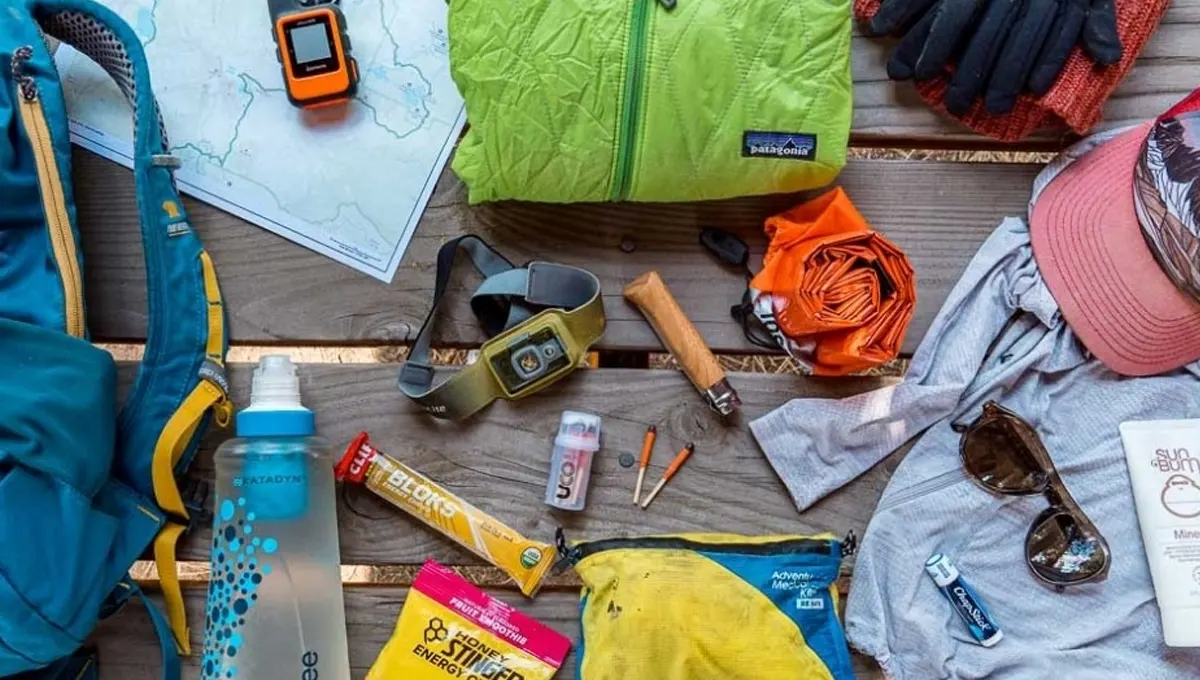
Hiking Gear That Earns Its Place: Boots, Jackets and Trail Essentials
More gear does not mean a better hike. The hikers who enjoy the trail most consistently are not the ones who researched every piece of kit for six months; they're the ones who brought exactly what they needed and nothing that slowed them down.
The trail community's consistent message is clear: carry less, make better choices, and focus on comfort where it actually matters without getting lost in gear hype. The right hiking gear covers three non-negotiables: your feet, your weather protection, and your pack weight and everything else is optional.
Decathlon's hiking range covers all three categories at prices that make building a complete trail kit genuinely accessible without compromising on the specs that actually matter outdoors.
Quick Overview
The only hiking gear that earns its place solves a real trail problem: blisters, wet conditions, or pack weight that slows you down. Build from the feet up: boots first, waterproof jacket second, pack third, and everything else after those three are confirmed.
Why the Right Hiking Gear Makes Every Trail Better
The trail community's consistent advice is carry less, choose better, and focus comfort where it actually matters but that only works when the core kit is right from the start.
Hiking gear is a long-term investment quality footwear, rain protection, and shelter directly affect your safety and survival on trail, not just your comfort.
The wrong boots cause blisters within two miles. A jacket that fails in rain ends a hike before the summit. An overloaded pack turns a moderate trail into an ordeal.
Five items cover every day hike: waterproof boots, a waterproof jacket, a 20–30L daypack, moisture-wicking base layers, and a navigation tool. Everything beyond that is optional.
Best Hiking Boots The Right Pair for Your Trail
Boot choice is the single most important hiking gear decision; the wrong pair causes blisters within two miles and joint pain by mile five. Follow this sequence before buying any pair.
1. Identify your primary terrain first
Road-to-trail day hikes need a flexible trail runner; technical mountain routes need a stiff-soled boot with ankle support; multi-day routes need a mid-cut or high-cut boot with a waterproof membrane. Build your hiking gear around the way you actually hike, not the most demanding scenario you might eventually attempt.
2. Decide on ankle support second
Low-cut trail shoes suit confident hikers on well-maintained paths. Mid-cut boots provide ankle stability on uneven terrain without the weight penalty of a full high-cut boot. High-cut boots suit heavy pack loads and technical off-trail terrain where ankle roll risk is highest.
3. Choose waterproofing based on your typical conditions
A Gore-Tex or equivalent waterproof membrane adds 150–200g per boot and reduces breathability on dry days. For consistently wet conditions and river crossings worth it. For dry summer trails with occasional damp patches a water-resistant non-membrane boot dries faster and breathes better overall.
4. Fit in the afternoon, not the morning
Feet swell by up to half a size during the day. Fit hiking boots with your trail socks on, with a thumb's width of space at the toe box, and zero heel lift when the boot is laced firmly. A boot that fits perfectly in the shop at 10am can cause blisters by the afternoon on trail.
5. Break them in before the trail always
Quality hiking footwear is a long-term investment that pays off over years of use but only if broken in properly. Wear new boots on short walks for two weeks before their first proper trail day. Blisters from unbroken boots are the most preventable hiking injury on any difficulty of trail.
Hiking Gear by Trail Type What Changes for Different Conditions
Recreational consumers from casual hikers to dedicated enthusiasts exhibit diverse requirements; the right gear combination depends entirely on terrain, duration, and environmental conditions rather than a universal kit list.
Decathlon's trail-specific range covers all four conditions below with clearly labelled technical specs that make matching gear to terrain straightforward.
|
Trail Type |
Best Hiking Boots |
Waterproof Jacket |
Pack Size |
Priority Hiking Essential |
|
Easy day trail (flat, maintained) |
Low-cut trail shoe, water-resistant |
Lightweight packable rain jacket |
15–20L daypack |
Sun protection and hydration |
|
Moderate mountain day hike |
Mid-cut waterproof boot |
2.5-layer waterproof jacket, breathable |
25–30L daypack |
Navigation tool + first aid kit |
|
Technical mountain route |
High-cut stiff-soled waterproof boot |
3-layer Gore-Tex jacket |
30–40L pack |
Trekking poles + emergency shelter |
|
Multi-day backpacking |
Mid-to-high-cut waterproof boot |
Insulated waterproof jacket |
50–70L pack |
Ultralight sleeping system + camp shoes |
Waterproof Hiking Jacket What the Spec Sheet Actually Means
A waterproof hiking jacket is the second most important piece of hiking gear after boots and the most misunderstood at the point of purchase. Four specs determine whether a jacket performs on trail or just looks the part in a shop.
- Waterproof rating (measured in mm): 10,000mm handles moderate rain reliably; 20,000mm+ handles sustained heavy rain and high-activity sweating. Anything below 5,000mm is water-resistant, not waterproof.
- Breathability rating (g/m²/24h): measures how much moisture vapour escapes outward. A jacket that keeps rain out but traps sweat inside leaves you as wet from the inside as the weather would from the outside aim for 15,000g/m 2/24h minimum for active hiking use.
- Layer count (2-layer, 2.5-layer, 3-layer): 3-layer construction bonds the waterproof membrane directly to the outer fabric and inner lining, delivering the most durable and packable result. 2-layer jackets are lighter and cheaper but less durable under sustained use.
- Seam sealing (taped vs welded): fully taped seams prevent water entry at every stitch line. Critically taped seams seal only the major seams. For sustained heavy rain, fully taped is the only reliable choice regardless of the jacket's waterproof rating.
Conclusion
The best hiking gear solves three problems: keeps your feet stable, keeps the weather out, and keeps your pack weight honest.
Best hiking boots matched to your terrain, a waterproof jacket with the right membrane rating, and a pack sized to your trail duration cover every hiking essential without a single redundant purchase. Carry less, choose better, and focus comfort where it matters most on the trail.
Decathlon's hiking range covers every category in this blog technical specs clearly labelled, trail-tested at accessible price points. Save this before your next trail plan; it covers every gear decision before you need to make it.
FAQ’s
- What are the 10 essential hiking items?
Navigation, sun protection, insulation, illumination, first aid, fire starter, repair tools, nutrition, hydration, and emergency shelter are the ten essentials covering every trail safety need.
- What is the 20% rule for backpacking?
Your packed backpack should never exceed 20% of your body weight heavier loads cause joint strain and significantly reduce trail enjoyment over distance.
- What gear do I need for hiking?
Five essentials cover every day hike: waterproof boots, a waterproof jacket, a daypack, moisture-wicking base layers, and a reliable navigation tool.
- Does hiking lower cortisol?
Yes research consistently shows hiking in natural environments lowers cortisol levels, reduces stress, and improves mood more effectively than equivalent urban exercise.