


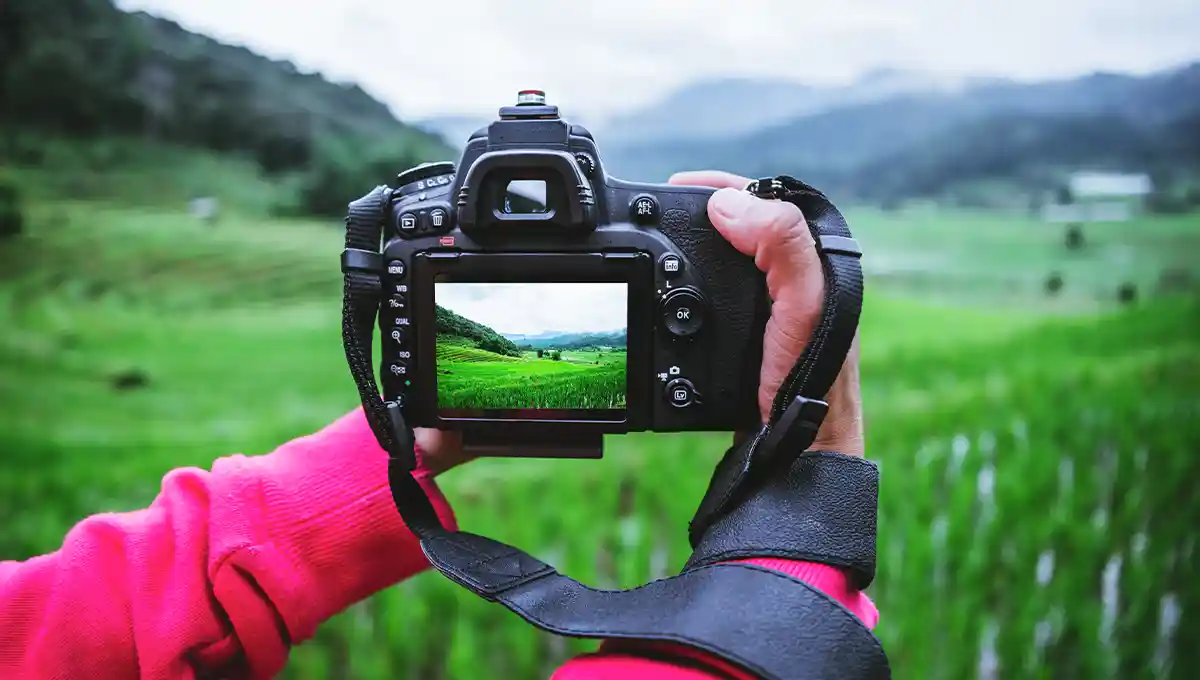
Best Digital Camera Picks for Sharp Photos and Smooth Videos
Have you ever taken a picture with your smartphone and felt it didn’t quite capture the magic of the moment? This is where a dedicated digital camera comes into its own.
From better image resolution to the ability to manipulate lighting and depth, the difference a camera can make is staggering.
Whether you’re documenting your travels, capturing memories with family and friends, or creating vlogs, it’s essential to know your way around cameras. Even consumer giants such as El Corte Ingles recognize the importance of dedicated cameras because, let’s face it, quality still counts.
Why Investing in a Digital Camera Still Makes Sense
Even with the tremendous advancements in smartphones, a digital camera still has an edge in terms that actually matter to photography enthusiasts. Larger image sensors mean more light is captured, resulting in better low-light images and more detail.
Optical zoom does not degrade image quality, unlike digital zoom that merely crops an image. Additionally, a digital camera has manual settings for ISO, shutter speed, and aperture, allowing you to express your creativity rather than relying on the camera’s algorithms.
Another reason why a digital camera is a worthwhile investment is versatility. There are cameras that can be carried in your pocket, as well as professional models that are used to shoot cinematic videos.
For anyone who is serious about image quality, video stability, or personal development as a creative person, the best digital camera is no longer a luxury item but a necessity.
Types of Digital Cameras Explained
- Point-and-Shoot Cameras : A point-and-shoot camera is a simple device. You turn it on, aim, and shoot. These cameras are great for new photographers or holiday shooters who want a better image than a phone but don’t want to learn complicated camera settings. They are light, inexpensive, and easy to use, making them great for everyday photos.
- Compact Cameras : Compact cameras go even further with portability but still offer better image quality than many smartphones. They may have manual modes, advanced autofocus, and longer zoom. If you want something portable with better image quality, this type of camera strikes a balance between the two.
- DSLR vs. Mirrorless : DSLR cameras are famous for their ruggedness and long battery life, whereas mirrorless cameras emphasize weight reduction and advanced autofocus systems. Both types of cameras offer incredible image quality and the ability to change lenses. Mirrorless cameras are also gaining traction in the video production community.
- Best Vlogging Camera : When it comes to the best vlogging camera, the main features that video producers look for include 4K video recording, a flip-out screen, the ability to connect an external microphone, and good image stabilization. A smooth video and good sound are just as important as resolution.
Features to Look for When Choosing the Best Digital Camera
Analyzing camera specs can be daunting, but narrowing your focus to the most important aspects makes it much easier:
- Sensor Size: The bigger the sensor, the better the image quality and low-light performance.
- Lens Quality: A good lens is more important to image quality than the number of pixels.
- Image Stabilization: This feature is a must-have for video recording and shooting photos by hand.
- Video Features: 4K video and audio input are absolute necessities for content creators.
- Battery Life: A camera with a long battery life ensures that you don’t run out of power during a long trip or event.
- Ease of Use: A comfortable grip and easy-to-use interface make a big difference in the long run.
- Connectivity: Wi-Fi or Bluetooth connectivity enables fast and easy transfer of your files.
By keeping your eye on these aspects, you can make sure that you pick the best digital camera for your intended use, rather than being misled by spec numbers.
Practical Photography Tips to Improve Every Shot
To be a master photographer, it is not just about having the best digital camera. Begin with the fundamentals of composition such as the rule of thirds, leading lines, and balanced framing to immediately make your photographs more interesting.
Lighting is also a very important aspect, and taking photos during soft morning or evening lighting will greatly improve the colors and shadows, while direct sunlight during midday can make the image too bright and lose details.
Experiment with the ISO, shutter speed, and aperture to have more creative control over your photography.
Recommended Camera Categories for Different Needs
Instead of chasing a single universal model, think in categories:
|
Category |
Camera Model |
Key Features |
Best For |
|
Overall Best |
Sony α7 IV |
Full‑frame sensor, 4K video |
Enthusiasts & Pros |
|
Best for Beginners |
Canon EOS Rebel T8 |
Easy controls, affordable |
New Photographers |
|
Best Compact |
Sony RX100 VII |
Pocketable, fast AF |
Travel & Everyday |
|
Best Vlogging |
Panasonic Lumix G100 |
Flip screen, mic support |
Video Creators |
|
Best Point‑and‑Shoot |
Canon PowerShot G7 X Mark III |
1‑inch sensor, 4K |
Social & Quick Shoots |
|
Best Travel |
Fujifilm X‑S10 |
IBIS, lightweight |
On‑the‑go Shooters |
This approach helps narrow options based on lifestyle rather than brand hype.
Conclusion
The best digital camera is not about pursuing the most costly camera available but rather about finding the one that corresponds to the way you actually take pictures.
Whether it is compact cameras for fast travel shots or sophisticated technology for cinematic video production, the right tool can help transform ordinary moments into lasting images.
Even for large retailers like El Corte Ingles, the focus is still on specialized cameras because consumers still appreciate the importance of clarity, depth, and creative expression.
The next best thing is to determine your main purpose whether it is photography, vlogging, or traveling and align it with the most relevant features. When you do it with careful consideration and dedication, your output will eventually improve.
FAQ’s
- What is the top rated digital camera?
Sony A7 IV, Canon EOS R6 Mark II, and Nikon Z6 III consistently rank as top-rated digital cameras among US photography enthusiasts.
- Which type of digital camera is best?
Mirrorless cameras offer the best balance of image quality, portability, and speed. DSLRs suit beginners while point-and-shoot cameras are ideal for casual photography.
- Which brand is the best for digital cameras?
Sony, Canon, and Nikon dominate the digital camera market, offering exceptional image quality, reliability, lens variety, and strong customer support across the US.
- Is a 4K or 8K camera better?
8K offers superior resolution and future-proofing, but 4K is more practical, affordable, and sufficient for most photography and videography needs today.