


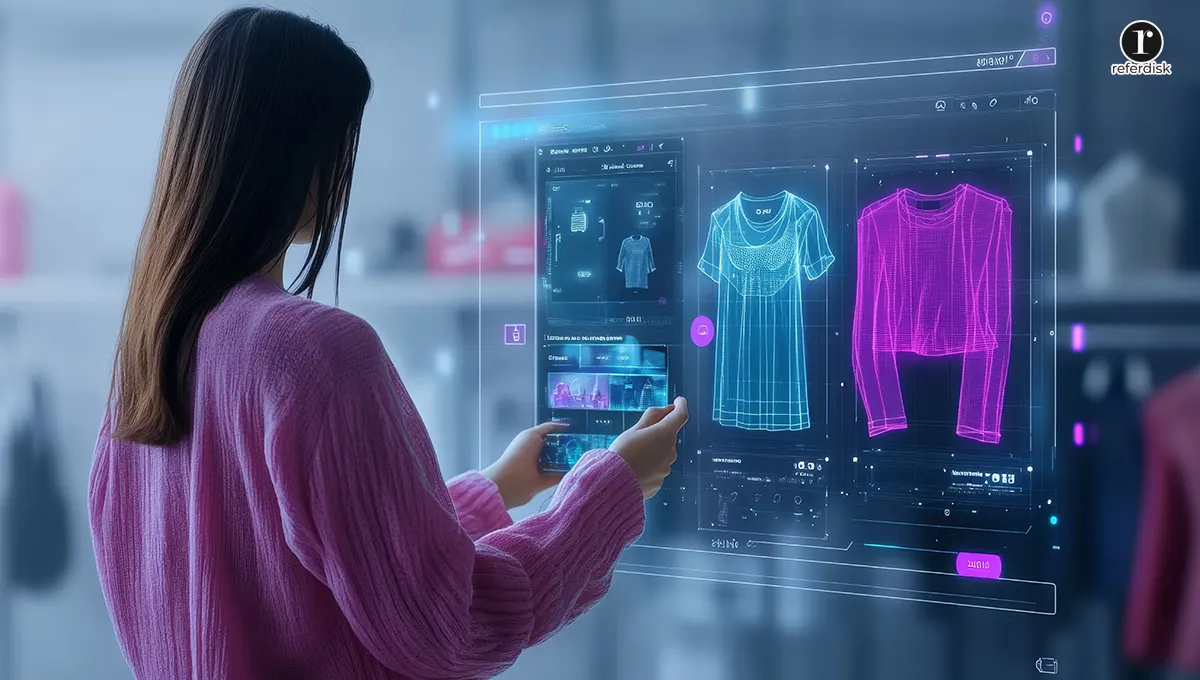
How an AI Design Platform is Transforming Tech-Driven Apparel
Technology is not merely changing our shopping habits, but fashion as a whole is being reconstructed by tech from the very roots. Style, in fact, is now the product of engineering, it is automated and influenced by algorithms that know what users will like even before they. The growth of the ai design platform is the main factor behind the change, the platform is assisting the creators in making the clothing that not only represents the user's but also is made by using the technology in a smart way to be quicker, cheaper, and more creative.
Everyday creators can take a page out of the book of a platform like Kittl to infuse their work with that next-level, space-age vibe. Instead of weeks of sketching, sensing trends, and hiring designers, users can build clothing ideas instantly and turn them into wearable products. Tech doesn’t remove creativity, it accelerates it.
Print on Demand and the Tech Shift in Fashion
The fast-growing world of print on demand changed the business model for independent designers. Instead of buying stock or managing warehouses, creators can build digital designs, upload them, and print items only when orders come in.
Combine that with smart tools from Kittl, and the result is a system where design, production, and delivery happen inside a seamless digital pipeline. This is why micro-brands are popping up everywhere, technology makes small-scale fashion feel scalable without the risks that killed early startups. Tech doesn't just produce clothing; it lowers the barrier between idea and execution.
Merchandise Design Goes Fully Digital
Modern merchandise design is less about logos and more about emotion. Content creators, gamers, and online personalities use tech tools to build collections that mirror their voice. Platforms like Kittl help creators turn inside jokes, quotes, and visual identity into clothing that fans feel connected to. Without traditional studios, merchandise becomes a digital-first storytelling experience.
Streetwear Design in the Tech Era
The modern wave of streetwear design isn’t coming from big fashion houses, it’s coming from kids with laptops. They remix culture, humor, and rebellion into clothing that feels authentic to online communities.
On platforms like Kittl, creators experiment with shapes, colors, and visual intensity without being held back by manufacturing constraints. Streetwear becomes fast, fluid, and weird, in the best way possible.
Digital Graphic Design for Wearable Interfaces
What used to be a skill for posters and websites has become the core of fashion identity. Digital graphic design is now optimized for sleeves, chest prints, hoodies, and tote bags. Platforms like Kittl let users test placements, scale graphics, and preview clothing on real models in seconds. The work feels more interactive than traditional illustration, almost like designing visual interfaces for wearable screens.
Tech Makes Creativity Less Scary
The biggest misconception about fashion is that you must be an artist to design it. The ai design platform flips that idea. It offers templates, presets, and smart systems that help beginners create visuals that look professional without expensive software or a design degree.
With Kittl, users manipulate colors, gradients, typography, and assets in real time. The point isn’t perfection,it's expression. Tech turns creativity into something playful, fast, and exploratory, not intimidating.
The Rise of AI Design Makers
A new category is emerging: the ai design maker. This isn’t just a tool, it’s a collaborator. It suggests layouts, supports composition, and even helps users avoid visual mistakes. With platforms like Kittl, creators don’t struggle with a blank canvas. They start with a base and shape it into something uniquely theirs. This makes fashion design appealing not just to artists, but to tech creators, gamers, marketers, and everyday thinkers.
Why the AI Design Platform Matters in Tech Culture
The ai design platform embodies everything tech culture believes in:
- Instant creation
- Open access
- Small teams building big ideas
- Personal expression at scale
Creators don’t need an office or factory, they need Wi-Fi and imagination. Five clicks on Kittl, and they’re building clothing people want to wear. Three clicks later, they’re selling it to the world. Fashion stops being exclusive and becomes collaborative.
Print Culture Meets Digital Culture
What we’re seeing is a merger between online identity and physical clothing. Digital-first design culture allows trends to spread faster than runway shows ever could. Creators instinctively remix memes, typography, and bold visuals into aesthetic stories. The ai design platform makes sure the tools can keep up. This is tech’s emotional side, tools that help humans express themselves.
Conclusion
Fashion is not waiting for talented people, it is inviting curious people. With the help of the AI design platform, fashion design becomes a fun, easy, and strongly personal experience. It gives the power to the creators to make clothes that communicate a story, even if they don’t have the skill of drawing.
Creators of small brands get a chance to transform their digital exploration into tangible goods with the help of such platforms as Kittl. It is a platform that enables them to make unique and expressive pieces that are their true selves in a world that is dominated by copies. Tech is not taking designers out of the system, it’s giving people the courage to become designers.
FAQs
1. Can I build designs without artistic skills?
Yes, many tools offer templates and smart features to guide beginners.
2. Does print on demand work for small brands?
Absolutely. It eliminates risk by printing only when orders come in.
3. Can AI tools help with streetwear design?
Yes, they help experiment with bold visuals and trend-focused themes.
4. Is digital graphic design important for merch?
It’s essential, as visually strong designs drive engagement and sales.